Pressure Extraction
Espresso
A concentrated shot under nine bar, and the base of every café drink.
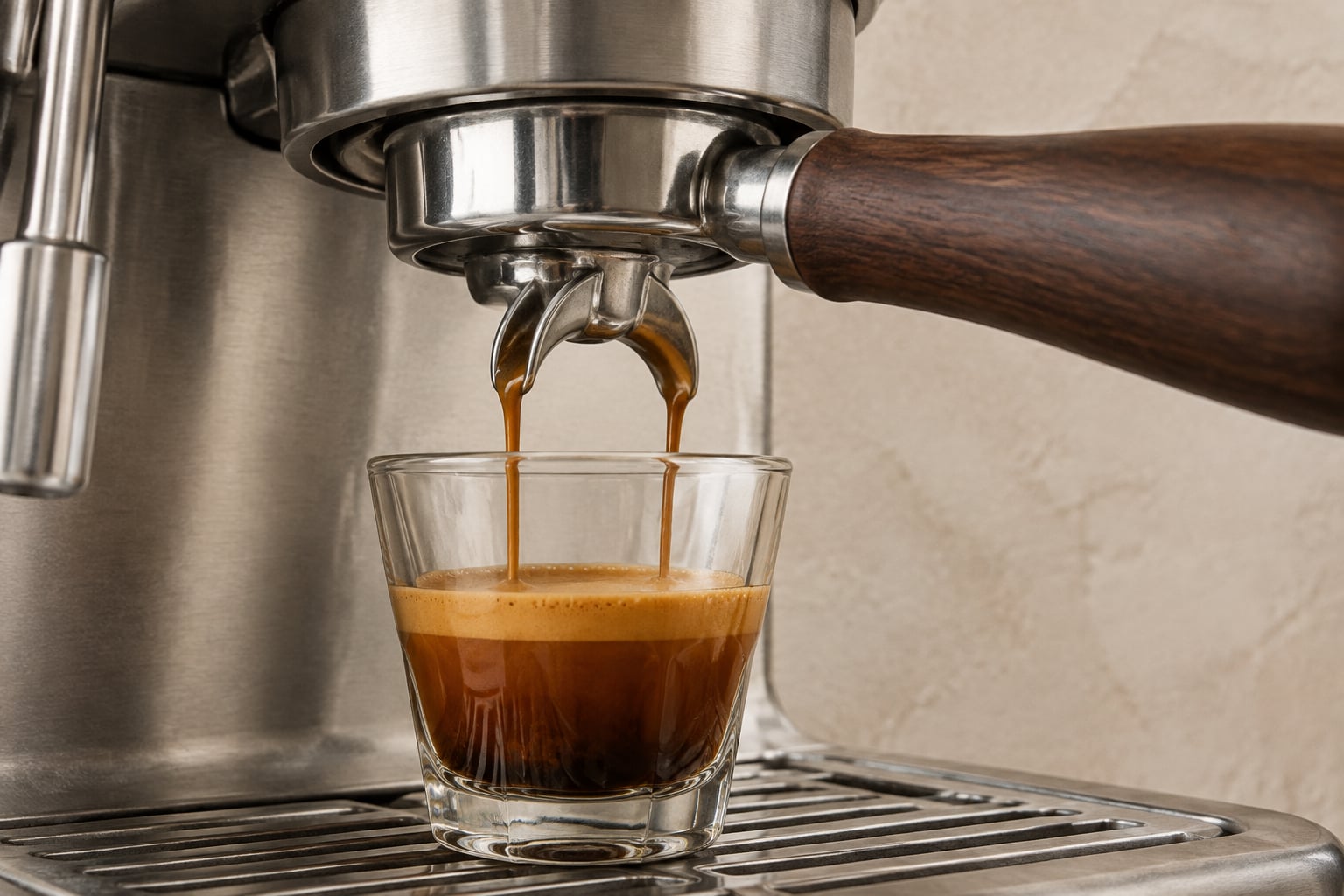
An espresso machine pushes hot water through a tightly packed puck of fine coffee at about nine bar. In under half a minute that pulls a small, syrupy shot topped with crema: the most concentrated coffee there is, and the base of every milk drink on a café menu. It is also the least forgiving method. Grind, dose and time move together, and a few seconds either way changes the cup.
- Ratio1:2
- Base recipe18g to 36g
- Water temperature90 to 94°C
- GrindVery fine — Finer than a moka pot, coarser than Turkish coffee
- Total time30 s
- LevelRewards precision · 1 cup
Why Espresso?
- The base of every milk drink: cappuccino, latte, flat white.
- A small, syrupy, velvety cup in under a minute.
- Every change shows in the next shot, so it teaches you quickly.
What you need
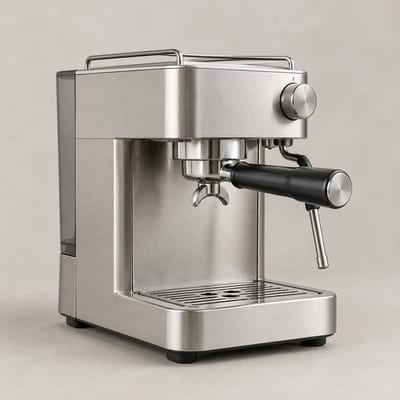
- Espresso machine
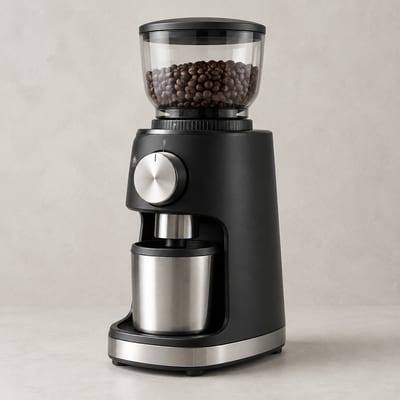
- Espresso-capable burr grinder
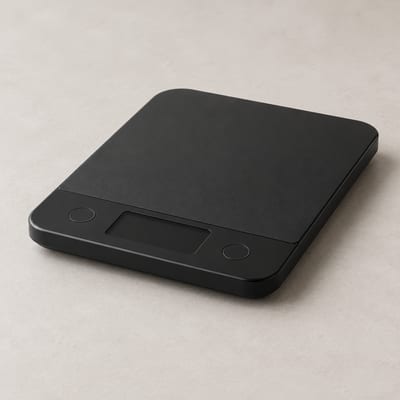
- Scale that reads 0.1 g
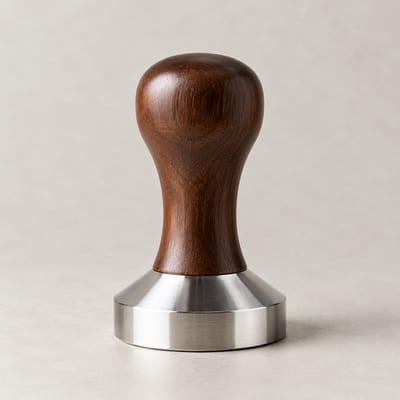
- Tamper
Step by step
- 1
Grind straight into the basket
Weigh 18 g of beans and grind them just before brewing, straight into a clean, dry portafilter basket. Ground coffee loses the aromatics that make a good shot within minutes.
- 2
Level and tamp
Settle the grounds with a couple of gentle taps, level the bed, then press straight down with the tamper until the coffee stops giving. An even puck matters more than a hard one: a tilted tamp opens a shortcut for the water.
- 3
Flush, lock in, start
Run a second of water through the group head to rinse out old grounds. Lock the portafilter in, set the cup on the scale, zero it and start the shot straight away, because a hot group head starts cooking the dry coffee.
- 4
Watch the flow
from 8 sThe first drops should appear after six to eight seconds, then run as a thin, steady stream the colour of dark honey. A gush means the grind is too coarse; slow drips mean it is too fine.
- 5
Stop at 36 g
from 25 sStop the shot when the scale reads about 36 g, twice the weight of the coffee, usually 25 to 30 seconds after you started. Stir it before tasting: the crema on top and the heavier coffee below taste very different on their own.
If it did not come out right
| Symptom | Cause | Fix |
|---|---|---|
| Sour and thinUnder-extracted: the shot ran too fast, usually because the grind is too coarse | Under-extracted: the shot ran too fast, usually because the grind is too coarse | Grind finer in small steps until 36 g takes 25 to 30 seconds. |
| Bitter and harshOver-extracted: the grind is too fine or the shot ran too long | Over-extracted: the grind is too fine or the shot ran too long | Grind slightly coarser, and stop the shot as soon as the scale reaches 36 g. |
| Water spurts through one spotChannelling: clumps or an uneven tamp opened a path for the water | Channelling: clumps or an uneven tamp opened a path for the water | Break up clumps with a needle, level the bed, and tamp straight down. |
Frequent questions
Can I make espresso without a machine?
Not true espresso. It needs about nine bar of pressure, which takes a machine or a manual lever press. For strong, concentrated coffee on the stove, follow the moka pot guide instead.
Single or double shot?
This guide pulls a double, 18 g of coffee for 36 g of espresso. Most home baskets are made for it, and it is easier to keep consistent. For a smaller drink, split the shot between two cups rather than using less coffee.